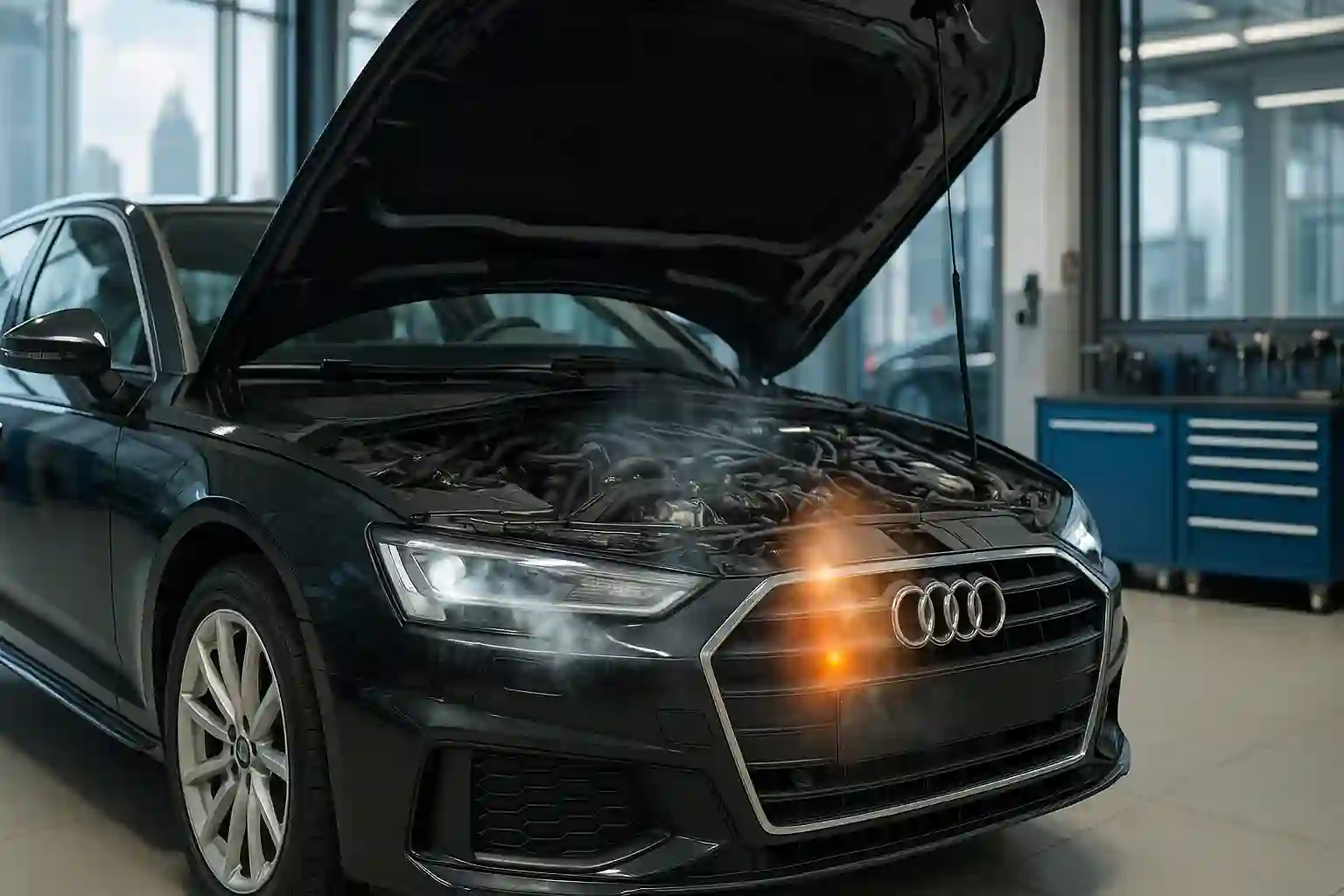
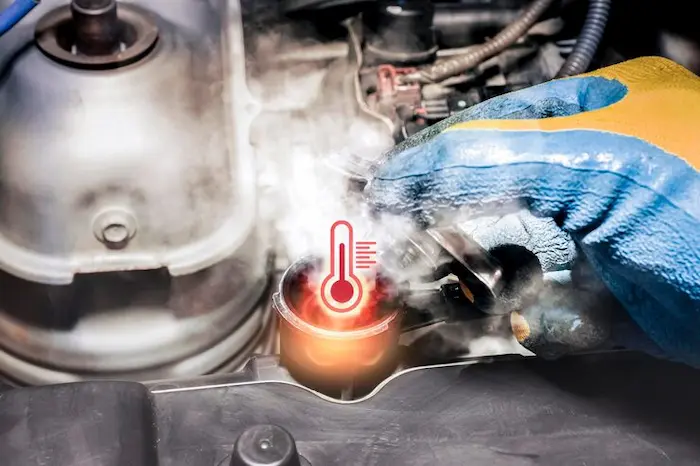
Few things are more stressful than watching your car’s temperature gauge climb into the red. Normally, you’d expect the check engine light to warn you — but what if your car is overheating and there’s no warning light? This situation can be confusing and even dangerous if ignored.
In this guide, our car engine repair in Dubai experts explain why your vehicle may overheat without showing a warning light, what causes it, and how to fix the problem before it leads to costly damage.
Why Isn’t the Check Engine Light On?
The check engine light is designed to alert you when the engine’s sensors detect a problem. However, overheating can sometimes occur without triggering the light because:
- The coolant temperature sensor is faulty or inaccurate.
- The issue lies outside of what the engine control unit (ECU) monitors.
- The overheating hasn’t yet reached a threshold that triggers the warning system.
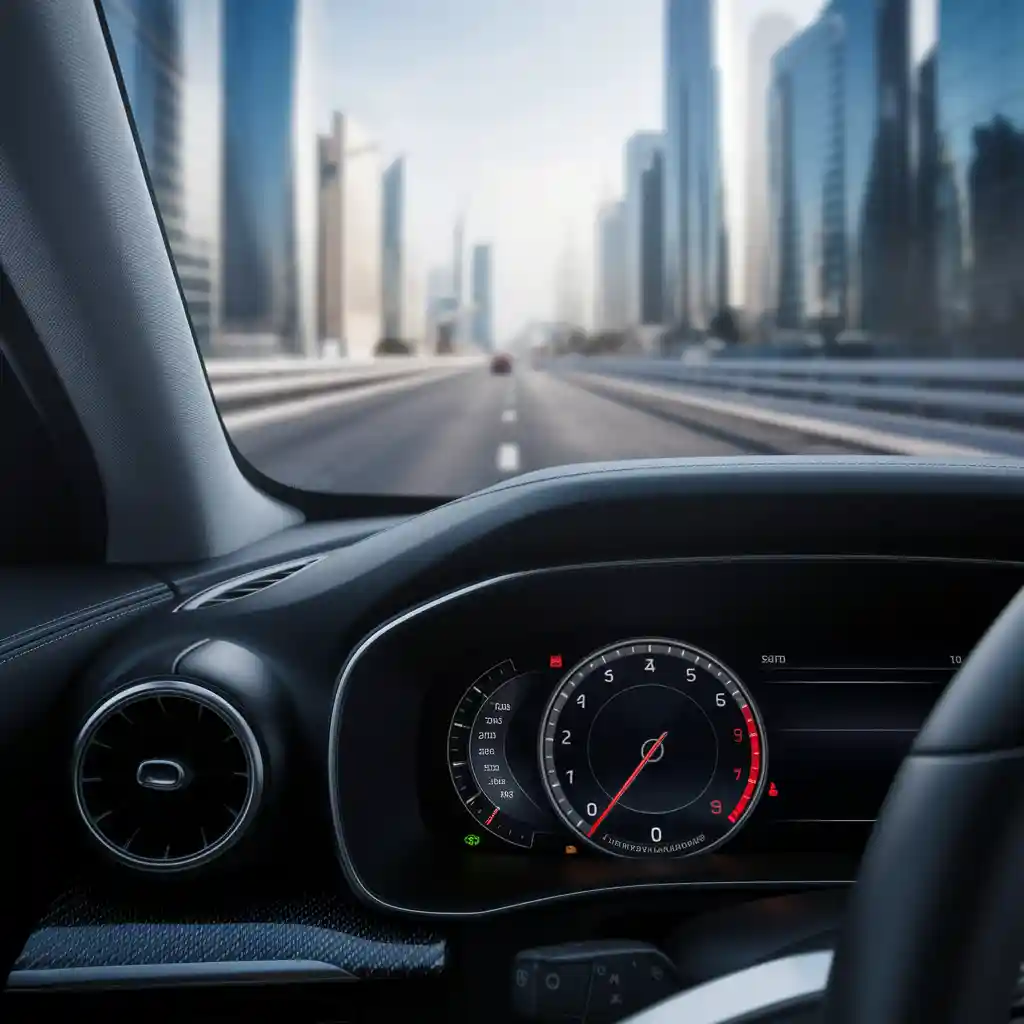
This is why it’s important not to rely solely on dashboard lights—your temperature gauge and driving symptoms are equally important.
Common Causes of Car Overheating Without a Check Engine Light
1. Low Coolant Level
If coolant is too low, the engine can’t regulate temperature effectively. This is one of the most common reasons for overheating.
Fix: Check the coolant reservoir and refill with the manufacturer-recommended coolant. Inspect for leaks.
2. Faulty Thermostat
A stuck thermostat can prevent coolant from circulating, leading to rapid overheating.
Fix: Replace the thermostat—it’s a relatively inexpensive repair.
3. Radiator Problems
Blocked, damaged, or leaking radiators can’t dissipate heat effectively.
Fix: Flush the radiator to remove debris or replace it if damaged.
4. Water Pump Failure
The water pump keeps coolant flowing through the engine. A failing pump can cause overheating without triggering warning lights.
Fix: Inspect for leaks or noises and replace the pump if necessary.
5. Cooling Fan Issues
If the electric cooling fan fails, especially at low speeds or idling, heat builds up quickly.
Fix: Check the fan motor, relay, and wiring. Replace faulty parts.
6. Head Gasket Leak (Early Stages)
A small head gasket leak can allow coolant loss without yet triggering a check engine code.
Fix: Look for white exhaust smoke, milky oil, or coolant loss. Repair promptly to avoid costly damage.
What to Do If Your Car Is Overheating
- Pull over safely and turn off the engine immediately.
- Do not open the radiator cap while the engine is hot—it can cause serious burns.
- Wait for the engine to cool, then check coolant levels.
- If the issue persists after topping up coolant, contact a trusted engine repair in Al Quoz workshop for a full inspection.
Final Thoughts
Even without a check engine light, car overheating should never be ignored. Rely on your temperature gauge and physical symptoms like steam or unusual smells. Common culprits include low coolant, a bad thermostat, radiator issues, or a failing water pump.
Addressing the issue early will save you from expensive engine repairs and keep your vehicle running smoothly.